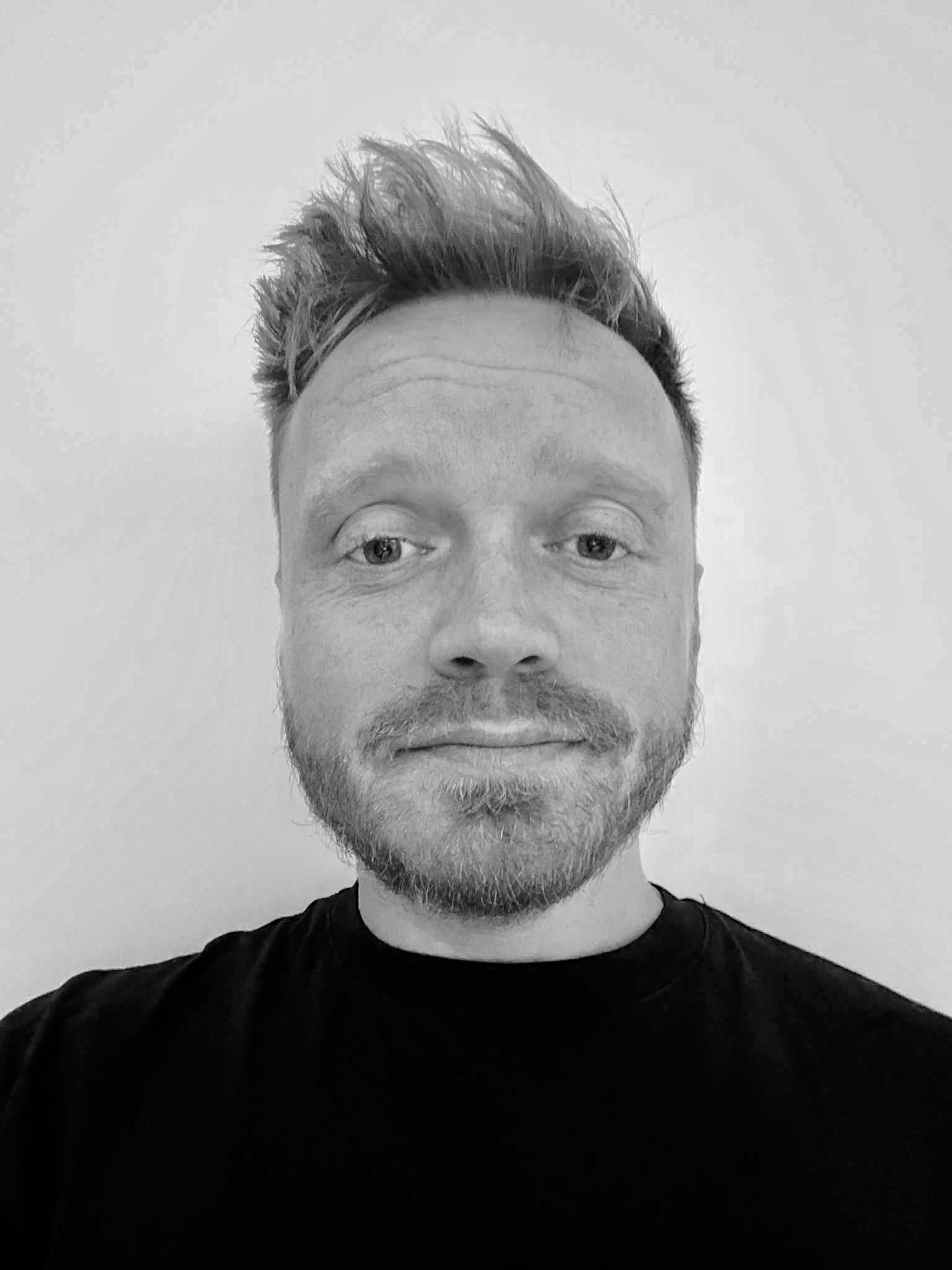
Andrea: designing from the inside out
Andrea is a product manager at the Slovak news portal SME.sk and a student of information services design at KISK MUNI. In this interview, she talks about her journey from editorial work to product thinking and what it means to design for people when business, technology, and user needs rarely align.
Read:
11 mins
Semester:
1
Type:
Intro to the Design Thinking
Category:
MUNI
Date:
Nov 17, 2023
MUNI
Interview
University
Design Thinking
Could you introduce yourself?
I'm a product manager, and my current project is running the editorial platform at SME.sk, a Slovak news source. I focus mainly on content management, which means working with the CMS that journalists use to create and distribute their work. My goal is to make the system genuinely pleasant to use, not just functional. The project is still evolving, so there's a lot of room to improve.
I didn't get here directly. For a long time I worked as an editor. My world was text and content, not particularly connected to the technical side. But gradually I started to understand and care about technology more.
As a product manager, I still spend a lot of time communicating and coordinating, which isn't so different from what I did as an editor.
What led you to information services design?
Looking back, I think I've always been a kind of service designer. I just didn't have that label for it. Whenever I was responsible for a product, I'd ask: how do we make this more user-friendly, more inclusive, how do we actually cover people's needs? Of course, you can never cover everything.
You have to make choices, because there's always pressure from the business side. Everything has to work in harmony and finding the right balance is really what it comes down to.
Do you consciously apply design methods like design thinking?
Everyone thinks they're doing design thinking, but most people confuse it with simple brainstorming, which it isn't. We try to get close to it though. The ideal is something like a double diamond: diverge, then converge. In practice it's messy and you rarely get to run the full cycle cleanly, but it's a useful frame.
Why did you choose KISK?
I wanted to dive into something new and explore unfamiliar territory. KISK has a broad focus that isn't limited to business, and I thought it could give me new perspectives. It's easy to get stuck in routine, so discovering new challenges and meeting people who work on similar problems from different angles is genuinely refreshing. It helps me think differently.
Where do you see yourself in 2033?
First of all, Andrea in 2033 will be a healthy person who won't need to rely on the Slovak healthcare system. Professionally, there's a lot of discussion right now about how much AI will replace human decision-making. I believe in a middle path: less routine work, but with a stronger emphasis on quality decisions supported by better data. Ten years is a long time though, so I'm ready to rethink everything.